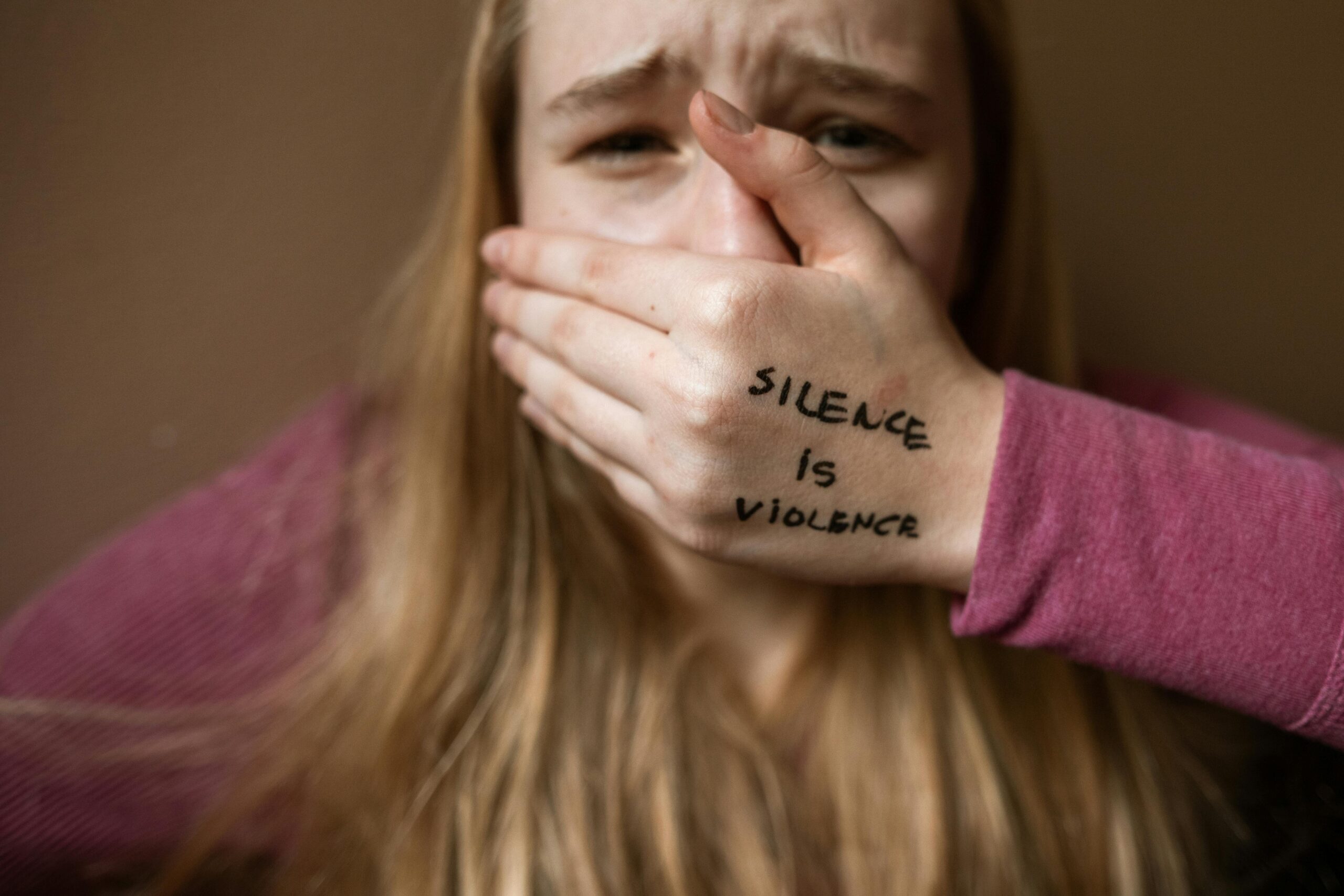
Silence is one of the strongest tools abusers have.
When abuse happens under the cover of authority—a pastor, teacher, coach, family friend, or parent—the pressure to stay quiet gets even heavier: “No one will believe you.” “You’ll ruin the family.” “You’ll destroy the church.” “You’re overreacting.” Those messages aren’t just cruel—they’re strategic. They keep the abuser protected and the victim isolated.
This page exists to say something clearly:
You are not alone. And speaking up—safely, thoughtfully, and on your terms—can protect other people.
Abuse thrives in “relationships of trust or power”
Child abuse and neglect includes harm (or the threat of harm) to a child by someone in a caregiving or custodial role—and that can include a religious leader, a coach, or a teacher.
That matters because authority changes everything:
- The abuser has access (to kids, to private moments, to trust).
- The abuser has status (people defend them automatically).
- The abuser can create fear and confusion (“Maybe it’s my fault.”)
The reporting gap is real
A major reason child abuse continues is simple: it often isn’t reported right away—sometimes not for years, sometimes never.
The CDC notes that underreporting is a serious issue: many victims delay or never disclose to friends, family, or authorities, which makes true estimates hard and allows abuse to remain hidden.
And here’s one of the clearest “why this matters” stats:
A CDC report to Congress cites a meta-analysis finding that self-report studies produced child sexual abuse prevalence rates ~30 times higher than rates based on official reports—meaning official numbers can dramatically understate how much is happening.
So if you’ve ever thought, “Maybe what happened wasn’t serious enough to report,” or “Maybe it’s rare,” the research points the opposite direction: a lot never makes it into “official” systems.
Speaking up is hard—even in formal investigations
Even when children are in “forensic settings” (structured contexts where disclosure is specifically asked about), disclosure isn’t guaranteed. A meta-analysis found a mean disclosure prevalence of 64.1% in forensic settings.
In plain English: even when the system is actively trying to uncover abuse, a meaningful portion still can’t disclose. Shame, fear, loyalty, dissociation, threats, and the abuser’s status all play a role.
Why reporting matters: many abusers don’t stop at one person
One of the most painful realities is this:
When abuse goes unreported, the abuser often has the opportunity to harm someone else.
It’s hard to measure “how many victims” any one offender has across society because so much stays hidden. But we do have credible evidence, especially within institutions, that repeat allegations against the same authority figure are not rare.
For example, the John Jay College report (U.S. Catholic clergy abuse study) shows that among accused clerics:
- 55.7% had 1 allegation
- 26.9% had 2–3 allegations
- 13.9% had 4–9 allegations
- 3.5% had 10+ allegations
Even with all the limitations of “allegations vs. proven events,” the pattern is sobering: a significant share involve multiple allegations, and a smaller group have very high counts.
This is exactly why survivors often say:
“I wish I had known someone else had reported too.”
Because knowing you aren’t the only one can be the difference between silence and action.
Where this site fits: a safer bridge from silence to reporting
This site is designed to support safe disclosure—especially when the alleged abuser is an authority figure and the survivor fears backlash.
Here’s what a site like this can do well:
1) Reduce isolation
If you’ve carried this alone, you might believe:
- “No one else has experienced this.”
- “Everyone loves them, so I’ll be the villain.”
- “I’ll be dismissed.”
A structured, survivor-centered space can reduce that isolation—without forcing anyone to go public with their identity.
2) Preserve details while they’re still accessible
Trauma can scramble timelines and details. A private written testimony can help you capture:
- approximate ages / dates
- location or setting
- role and access (youth group, classroom, family trips, counseling sessions)
- grooming behaviors (special attention, secrecy, gifts, private “spiritual talks,” boundary testing)
That record can support later reporting if you choose it.
3) Encourage reporting without pressuring survivors
Reporting isn’t one emotional moment—it’s often a process. A survivor-centered approach respects:
- safety concerns
- family risk
- housing/financial dependence
- fear of retaliation
- spiritual or community pressure
The goal isn’t to “force” disclosure. The goal is to make disclosure possible.
4) Help connect survivors to the right next step
Depending on the situation, “reporting” might mean:
- law enforcement
- child protective services (if a minor is currently at risk)
- an institutional safeguarding office
- a licensed counselor or trauma advocate
- an attorney (for civil options)
- a local child advocacy center
This site can provide a calm, step-by-step menu of options—especially for people who are overwhelmed.
What this site is not
To protect survivors and reduce harm, it’s important to be honest:
- This site is not a court.
- This site is not a substitute for emergency services.
- This site is not a vigilante tool.
- This site is not here to create internet mob justice.
The purpose is documentation, support, pattern recognition, and pathways to appropriate reporting—with strong privacy protections.
A note about public accusations
It’s understandable to want public information so survivors feel less alone—especially when there are multiple accusations.
But there’s a real tension here:
- Public allegations can validate survivors and warn communities.
- Public allegations can also create legal risk, misidentification risk, and retaliation risk—especially if your site allows anonymous posts.
That’s why many survivor-support models focus on private collection, aggregated statistics, and “how to report” resources—while leaving investigations and naming to proper authorities and legal processes.
(If you want, we can structure your site so it acknowledges patterns without turning into a public “accusation board.”)
If you’re considering reporting, you deserve safety while you do it
If you’re reading this and thinking, “I’m not ready,” that’s okay.
A safe next step might be:
- writing a private testimony
- talking to a trauma-informed therapist
- contacting a child advocacy center for guidance
- asking a trusted person to sit with you while you make a report
- reporting anonymously to a tip line (where available)
What matters is moving from isolation toward support.
What You Can Do
If you experienced abuse by someone in authority—or you suspect a child may be at risk—you can share a private testimony here. You can remain anonymous. Your story can help identify patterns, support others who feel alone, and guide reporting to the appropriate authorities—safely and respectfully.